Barnes council permits for floral stalls and markets explained
Posted on 02/10/2026
If you are planning a floral stall, a pop-up flower stand, or a small market presence in Barnes, the permit side can feel a bit more confusing than the arranging side. The bouquets are the easy part, truth be told. The tricky bit is understanding what permission you need, who issues it, what conditions may apply, and how to avoid a last-minute snag that turns a busy trading day into a stressful one.
This guide on Barnes council permits for floral stalls and markets explained walks you through the practical reality: what the permit process usually involves, why it matters, what traders should check early, and how to move from idea to trading with fewer surprises. If you are new to market trading, or you already sell flowers but want to expand into Barnes, this should help you plan properly and confidently.
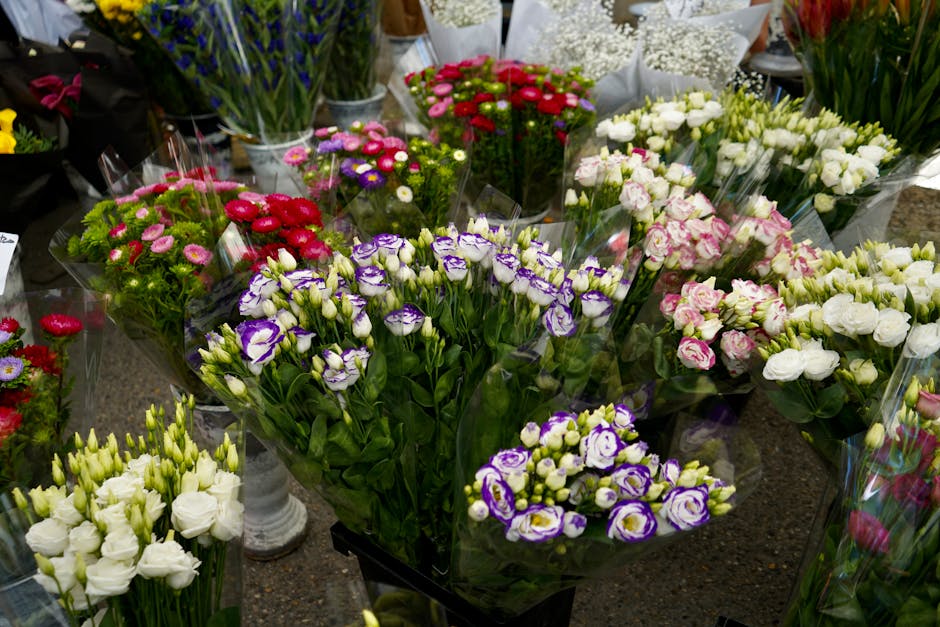
Why Barnes council permits for floral stalls and markets explained Matters
Local trading permission is not just a box-ticking exercise. In a place like Barnes, where footfall, neighbourhood character, access routes, and shared public space all matter, the right permit helps your stall operate without friction. It also shows market organisers, nearby businesses, and customers that you are serious about doing things properly.
For floral traders, the permit question matters even more than it might for other seasonal stalls. Flowers are time-sensitive. A missed market date can mean waste, lost revenue, and stock that is already on the clock. A correct permit arrangement helps reduce that risk and gives you a clearer trading plan. That kind of calm matters when you are unloading buckets at 7 a.m. in cold weather and trying to keep blooms fresh before the first customer arrives.
There is also a trust element. When customers see a neat, well-run stall, they are not just buying flowers; they are buying confidence. The same goes for organisers. If your paperwork is in order, your setup tends to feel smoother, and smoother usually means better trading. Simple, but true.
In practice, permits can affect where you can stand, what hours you can trade, how much space you can use, whether you can use a gazebo or display racks, and whether you need additional permissions for electricity, waste, or temporary structures. If you overlook one of those details, things can get awkward quickly.
How Barnes council permits for floral stalls and markets explained Works
Most traders think of a permit as one thing, but it can involve several layers. Depending on the setting, you may need permission linked to a street trading licence, a market organiser's stall allocation, private land consent, or another local authorisation. The exact route depends on where you plan to operate and who controls that space.
Here is the simplest way to think about it: if you are trading on public land or in a public-facing market area, the permission process is usually more formal. If you are operating on private property, you may still need written consent from the landowner or organiser, even if the arrangement feels informal. A handshake is nice. It is not a permit.
For floral stalls, the application often needs a few common details:
- what you want to sell
- where you want to trade
- the days and hours you want to operate
- the size and type of stall or display unit
- whether you need parking, unloading access, or power
- any insurance or public liability evidence requested
Some arrangements are temporary and event-based, while others are repeat or seasonal. A Mother's Day weekend stall, for example, may be treated very differently from a weekly flower stand. If you are expecting a consistent pitch, you will usually need to show that your setup is safe, tidy, and suitable for the location.
Operationally, think of the process as a sequence. First you identify the right permission route. Then you check conditions. Then you submit the application or request. Then you wait for approval, queries, or a site-specific discussion. That may sound obvious, but people often skip the "what exactly am I applying for?" stage and end up wasting time.
Key Benefits and Practical Advantages
Having the right permit arrangement is not only about compliance. It can genuinely improve how your flower business performs day to day.
1. Better trading stability. You are less likely to be moved on, challenged, or surprised by an organiser's rules.
2. Clearer planning. When you know your pitch, timings, and conditions, stock planning becomes easier. That matters with fresh flowers because you do not want to over-order and then watch the extra stems fade by Monday.
3. Stronger customer trust. A tidy, approved stall feels more professional. Customers notice these things even if they do not say so.
4. Lower risk of disputes. Written permission reduces awkward conversations about territory, access, fees, and setup boundaries.
5. Better growth opportunities. Once your basic trading arrangement is sorted, it is easier to test seasonal upsells, subscription offers, event bouquets, or market-day specials.
6. Easier collaboration with organisers. If you work well with one pitch, you are often in a stronger position to be considered for future dates or busier trading slots.
Expert summary: The real value of a permit is not the paper itself. It is the freedom to trade with fewer surprises, better structure, and more confidence. That is especially useful for floral stalls, where freshness, timing, and presentation all move fast.
To be fair, a permit can also make your life easier in a very ordinary way. You know where the bins are, where to load in, who to speak to, and what the boundaries are. That kind of clarity saves time, and time is gold on market mornings.
Who This Is For and When It Makes Sense
This topic is relevant to several types of traders, and not just established florists.
- Independent florists who want to sell on a market pitch or seasonal stall
- Start-up traders testing demand before committing to a permanent shop
- Wedding and event florists looking for local visibility and extra sales channels
- Small business owners adding flowers to an existing market or gift offer
- Seasonal sellers targeting peak dates such as Valentine's Day, Mother's Day, or Christmas
- Community fundraisers or charity groups arranging flower sales at events
It makes sense to look at permits early if you are:
- planning to trade more than once
- using a pitch near a high-footfall area
- bringing equipment such as tables, gazebos, or chillers
- sharing a market space with food, gift, or craft stalls
- unsure whether your setup is classed as casual, temporary, or regular trading
Sometimes the answer is straightforward. Sometimes it is a little messy. A flower seller doing a one-day school fair is in a different position from a trader wanting a recurring Saturday pitch, and the permission path should reflect that. If you are not sure which bucket you fall into, it is worth slowing down and checking before you spend money on stock or branding.
Step-by-Step Guidance
If you want a sensible route through the process, use the steps below. It is not flashy, but it works.
- Define your trading model. Decide whether you are trading at a market, on private land, at an event, or from a temporary stall. Be specific.
- Confirm the trading location. The same flower stall may need different permission depending on whether it is on a street, a market square, or private premises.
- Check organiser or landowner rules. Some sites have their own conditions for layout, cleanliness, timings, and permitted goods.
- Prepare your business details. Have your contact information, product list, trading dates, and insurance information ready.
- Map out the setup. Think about stall size, display buckets, weather cover, waste handling, and access for unloading. One missing detail can become a morning headache, honestly.
- Submit the application or request. Follow the required route and keep a copy of everything you send.
- Respond quickly to follow-up questions. If the organiser or authority asks for clarification, reply promptly. It keeps things moving.
- Review the conditions carefully. Read any restrictions on hours, noise, signage, cleaning, or waste removal.
- Plan your opening day. Arrive early, set up neatly, and keep your paperwork accessible in case someone asks to see it.
A practical tip: if you are going to market with cut flowers, build your schedule around freshness and weather. Early morning deliveries and shade access can matter more than you think. A warm corner by midday can be lovely for humans and less lovely for roses. That is the reality.
Expert Tips for Better Results
Small improvements make a big difference in market trading. Here are the details experienced traders tend to get right.
Keep your stall story clear. A concise, attractive pitch description helps if an organiser wants to know what you sell and how your display will look. For example, "seasonal hand-tied bouquets, vase arrangements, and occasion flowers" is easier to assess than "flowers and stuff."
Think seasonally. Floral demand changes fast. Markets can be quiet in one month and hectic the next. Build flexibility into your stock and display plan. If you are expecting a burst around a special date, prepare your permit and supply chain early.
Use a stall layout that protects product. Flowers need visible, upright display and some shelter. Avoid overpacking the table. Crowded blooms can look tired before the day is done.
Make admin easy. Keep digital copies of permission emails, insurance certificates, and pitch details in one folder. It sounds boring, I know, but when someone needs a document quickly, you'll be glad it's there.
Talk to organisers like a partner. Good communication can matter as much as the paperwork. If you warn them about a late delivery or ask about water access in advance, you usually get a better result than by improvising on the day.
Price with the market in mind. Barnes customers may respond well to polished presentation and thoughtful design, but do not assume every pitch should be luxury-priced. A mixed ladder of options, such as smaller bunches, premium arrangements, and seasonal specials, often works best.
Have a wet-weather plan. London weather does what it wants. A sudden shower can make a beautiful stall look a bit sorry for itself if you are not ready.
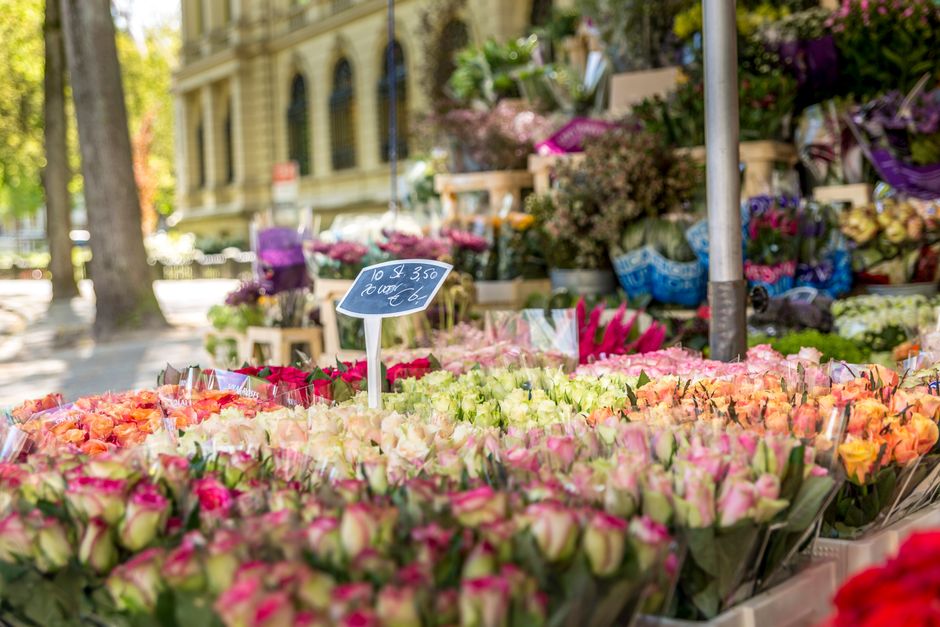
Common Mistakes to Avoid
Most permit problems happen because people rush. That is understandable, especially before a busy trading weekend, but it still causes avoidable issues.
- Assuming every stall needs the same permission. A market pitch, a charity table, and a private event stand may all be treated differently.
- Forgetting about setup details. Stall dimensions, storage, and access routes matter just as much as the flowers themselves.
- Leaving applications too late. Seasonal periods are competitive. If your pitch is near a popular date, apply early.
- Not reading the conditions. A permit can come with limits on hours, equipment, or product types.
- Ignoring insurance or safety expectations. If you are handling public-facing trading, basics like liability cover and safe display arrangements are usually part of the picture.
- Overstocking on the wrong week. Fresh stock is an asset, but too much inventory can become waste very quickly.
- Relying on verbal agreement only. Always get written confirmation where possible. Memory is not a compliance system.
One small but common slip is forgetting that a floral stall still counts as a business setup. Even if it looks pretty and informal, it is still a trading operation. The petals are soft; the admin is not.
Tools, Resources and Recommendations
You do not need a huge toolkit, but a few practical items make the permit and trading process much easier.
- A document folder for permits, insurance, and organiser messages
- A simple stock planner to match bouquet sizes with expected footfall
- Weather protection such as covers, weights, and a stable gazebo if permitted
- Water containers and conditioning supplies to help keep stems fresh
- Clear signage showing prices, product names, and contact details
- Mobile payment setup so customers do not have to hunt for cash
- Reusable transport crates to reduce damage and waste
If your stall is part of a broader flower business, it can also help to align your market offer with your online and local services. For example, if people like your market bouquets, they may later want home delivery or special-order arrangements. A page like flower delivery in Barnes SW13 can support that journey naturally, while your market stall helps build trust face-to-face.
You may also want to present your range in a way that is easy to recognise on the day. Pages such as best sellers and florist choice can reflect the kind of flexible, ready-to-go stock that works well for market trading. Not every customer wants a custom brief. Some just want something lovely, now.
For traders looking to expand beyond the stall itself, supporting services can matter too. Useful pages include about us, which helps build credibility, and contact us, which is handy when you need to ask a direct question before a trading date.
Law, Compliance, Standards, or Best Practice
It is wise to approach this area carefully. Rules can vary depending on the exact trading location, land ownership, and the nature of the event or market. Local authorities, market operators, and private site owners may all set their own requirements, and those requirements can change over time.
As a general best practice, keep the following in mind:
- Check local permission requirements early. Do not assume a market pitch is automatically available.
- Confirm whether the location is public or private. The route to approval may differ.
- Keep evidence of permission. Written approval is far better than an informal agreement.
- Use safe displays. Buckets, stands, and signs should be secure and not block access routes.
- Manage waste responsibly. Floral waste and packaging should be cleared according to the site rules.
- Respect trading boundaries. Do not expand beyond the approved pitch or operating window.
If your stall is part of a larger business structure, standard business practices still apply. That means fair pricing, transparent customer communication, and sensible handling of complaints or refunds. On the website side, pages such as terms and conditions, returns and refund, and guarantees can help set expectations clearly for customers who move from browsing to buying.
Where floral products are concerned, good practice also includes freshness handling, careful transport, and accurate representation of products. A market customer should not feel they are guessing what they are buying. The bouquet on display should look like the bouquet they take home. Simple, respectful, and it works.
Options, Methods, or Comparison Table
Different trading routes suit different flower businesses. Here is a straightforward comparison to help you decide which option fits your situation best.
| Option | Best for | Advantages | Things to watch |
|---|---|---|---|
| Market stall | Regular trading and local visibility | Footfall, brand awareness, repeat customers | Pitch competition, weather exposure, set-up time |
| Seasonal pop-up | Peak dates and testing demand | Flexible, lower commitment, ideal for busy occasions | Time-limited permissions, supply pressure, short lead times |
| Private event stall | Weddings, fairs, community events | Targeted audience, controlled environment | Organiser rules, venue access, event-specific conditions |
| Permanent retail shop | Established traders with longer-term plans | Stable presence, stronger branding, year-round sales potential | Higher overheads, less flexibility, more formal obligations |
If you are still testing the market, a temporary or seasonal approach can be a smart starting point. If you already have local demand, a more regular arrangement may make sense. The right answer depends on your supply, your margins, and how much time you want to spend setting up and taking down each week.
Case Study or Real-World Example
Consider a small florist who wants to sell hand-tied bunches near Barnes on a Saturday and then add extra trade around major dates. In the early planning stage, the florist checks whether the pitch is on public space or managed by a market organiser. They also ask about stall size, delivery access, and whether a simple table display is enough or whether a gazebo is allowed.
At first, they assume the arrangement is casual because another trader mentioned it "should be fine." That is the sort of phrase that often causes trouble. After a proper check, they discover the pitch needs formal approval and the organiser wants written confirmation of insurance before reserving the space. Mild delay, yes. But much better than turning up with flower buckets and no permission.
Once the paperwork is sorted, the florist keeps the setup lean: seasonal bouquets, a few premium stems, handwritten price cards, and a water-safe display system. They do not overcomplicate it. By the second trading week, they know exactly how much stock to bring, which bunches sell fastest, and where the sun hits the table around lunchtime. That tiny bit of local knowledge makes a real difference.
The useful lesson here is not that every case is identical. It is that the permit process gives structure. Once the structure is clear, the trading becomes calmer, faster, and easier to repeat.
Practical Checklist
Before you commit to a floral stall or market pitch in Barnes, run through this checklist.
- Have you confirmed the exact trading location?
- Do you know whether the space is public, private, or organiser-controlled?
- Have you checked what type of permission is needed?
- Do you know the trading dates and hours?
- Have you checked stall size, access, and loading arrangements?
- Have you confirmed whether power, shelter, or water is available?
- Do you have written permission or confirmation?
- Have you reviewed any insurance or safety requirements?
- Do you have a plan for waste, packaging, and leftover stock?
- Have you prepared your signage, pricing, and payment setup?
- Have you planned for weather changes?
- Have you set a realistic stock level for the day?
Quick tip: if one answer is uncertain, do not shrug it off. Just ask. A short email now can save a much longer conversation on market morning.
Get a free quote today and see how much you can save.
Conclusion
Barnes council permits for floral stalls and markets explained really comes down to one thing: doing the groundwork before the flowers arrive. Once you know what permission route applies, what conditions you need to follow, and how your stall fits into the local trading environment, the whole process becomes much less intimidating.
For florists, the rewards are practical. Better planning, stronger presentation, less risk, and a more professional customer experience. And honestly, that is what most traders want. Not perfection. Just clarity, a decent pitch, and a fair chance to sell beautiful flowers without unnecessary friction.
If you take anything from this guide, let it be this: check early, keep things in writing, and build your stall around what actually works on the day. The rest tends to follow. Slowly, then all at once.
When you are ready, take the next step with confidence and let your flowers do what they do best.
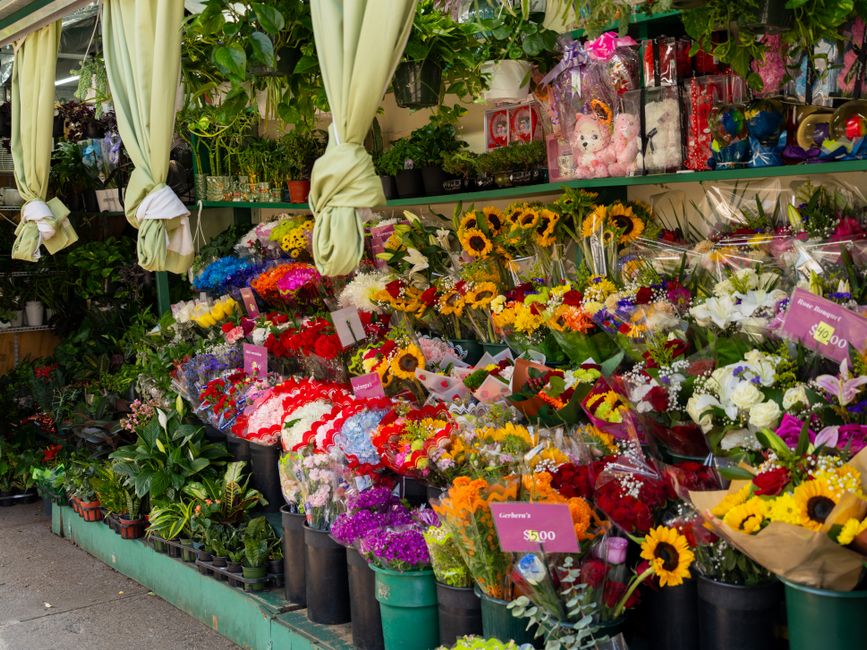
Frequently Asked Questions
Do I need a permit for a floral stall in Barnes?
In many cases, yes, but the exact requirement depends on the location and type of trading. A public market, private event, or street-side setup may each involve different permission routes. Always check before you trade.
Who actually issues the permission for a flower stall?
That depends on where you are trading. It may be a local authority process, a market organiser, or a private landowner or venue manager. The important part is identifying who controls the space before you apply.
How far in advance should I apply?
As early as possible, especially for busy dates like holidays or seasonal events. Floral stalls can be time-sensitive, so leaving it until the last minute is risky. Early planning also helps with stock and staffing.
Can I trade flowers at a market without a permanent shop?
Yes, many flower sellers start with markets or temporary stalls rather than a fixed retail shop. In fact, that can be a smart way to test demand. You just need the correct permission for the trading space.
Do seasonal stalls need different approval from regular stalls?
Often they do. A one-off or seasonal pop-up may be treated differently from a recurring pitch. The organiser may want shorter notice, different insurance evidence, or more specific operating conditions.
What documents should I keep ready?
Keep your business details, pitch information, any written permission, insurance records if required, and contact details in one place. It saves time and makes you look organised, which is never a bad thing.
Can I use a gazebo or table display?
Sometimes, but not always. It depends on site rules, pitch size, and safety considerations. Some locations may limit structures or require them to be secured properly. Check this before turning up with equipment.
What if I only want to trade for one day?
Even a one-day stall may still need permission. A short trading window does not automatically remove the need for approval. The safest move is to confirm the requirements for that specific event or site.
Are market stalls better than online flower delivery for local sales?
They do different jobs. A market stall helps with visibility, face-to-face trust, and impulse sales. Online delivery offers convenience and repeat ordering. Many traders use both, and that combination can work well.
What are the biggest mistakes flower traders make with permits?
The most common mistakes are assuming permission is automatic, applying too late, not reading conditions carefully, and forgetting to confirm details in writing. Those are simple errors, but they can cause unnecessary disruption.
Do I need special arrangements for fresh flowers?
Fresh flowers do not usually mean a different permit by themselves, but they do affect how you set up and trade. You may need water, shade, secure transport, and a plan to keep stock looking fresh throughout the day.
Where does a local florist fit into this?
A local florist can use a market stall as part of a wider business approach, alongside delivery, event work, and special orders. If you want to complement stall trading with a local online presence, pages like flower shops in Barnes SW13 and florist Barnes SW13 can support that broader customer journey.
Is it worth trading at Barnes markets for flower sales?
If your product range fits local demand and your setup is well prepared, it can be a very sensible channel. Barnes has the kind of customer base that often responds well to quality presentation and thoughtful seasonal flowers. The key is to match your offer to the pitch and keep the operation tidy.